Astillero Housing
Project: Moarqs + BMA
Construction Management: Moarqs — Ignacio Montaldo, Arch.; Christian Dragan, Arch.
Construction Management – Structural Phase: Roberto Szraiber, Arch.; Cesar Piermarini, Arch.; Fernando Vázquez, Arch.
Developer: CMNV Comunidad de Inversión
Developer Management: Matías Alba, Arch.
Construction: EDFAN — Sebastián Mato, Eng.; Marino Mato, Eng.
Structure: Sebastián Berdichevsky, Eng.
Electrical Engineering: Nicolás Vignaroly, Eng.
Plumbing: Jorge Labonia, Eng.
Lighting Design: Piedra Iluminación
Landscape Design: Grupo Landscape — Cora Burgin, Arch.; Sebastián Mouzo, Arch.
Graphic Design: Nico Risso, Graphic Designer
Mechanical Engineering (HVAC): Mario Hernández, Eng.
Plot Area: 1,500 m²
Built Area: 15,000 m²
Photography: Javier Agustín Rojas
Project Date: 2017–2018
Construction Period: 2019–2026
Address: Azopardo 1337, C1107ADW, Autonomous City of Buenos Aires
Coordinates: –34.623230, –58.366719
Status: Under construction
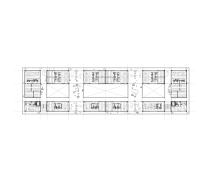
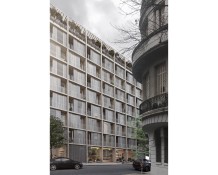
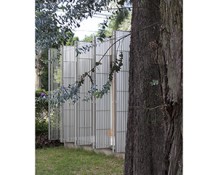
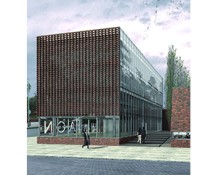
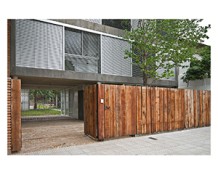
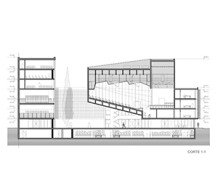
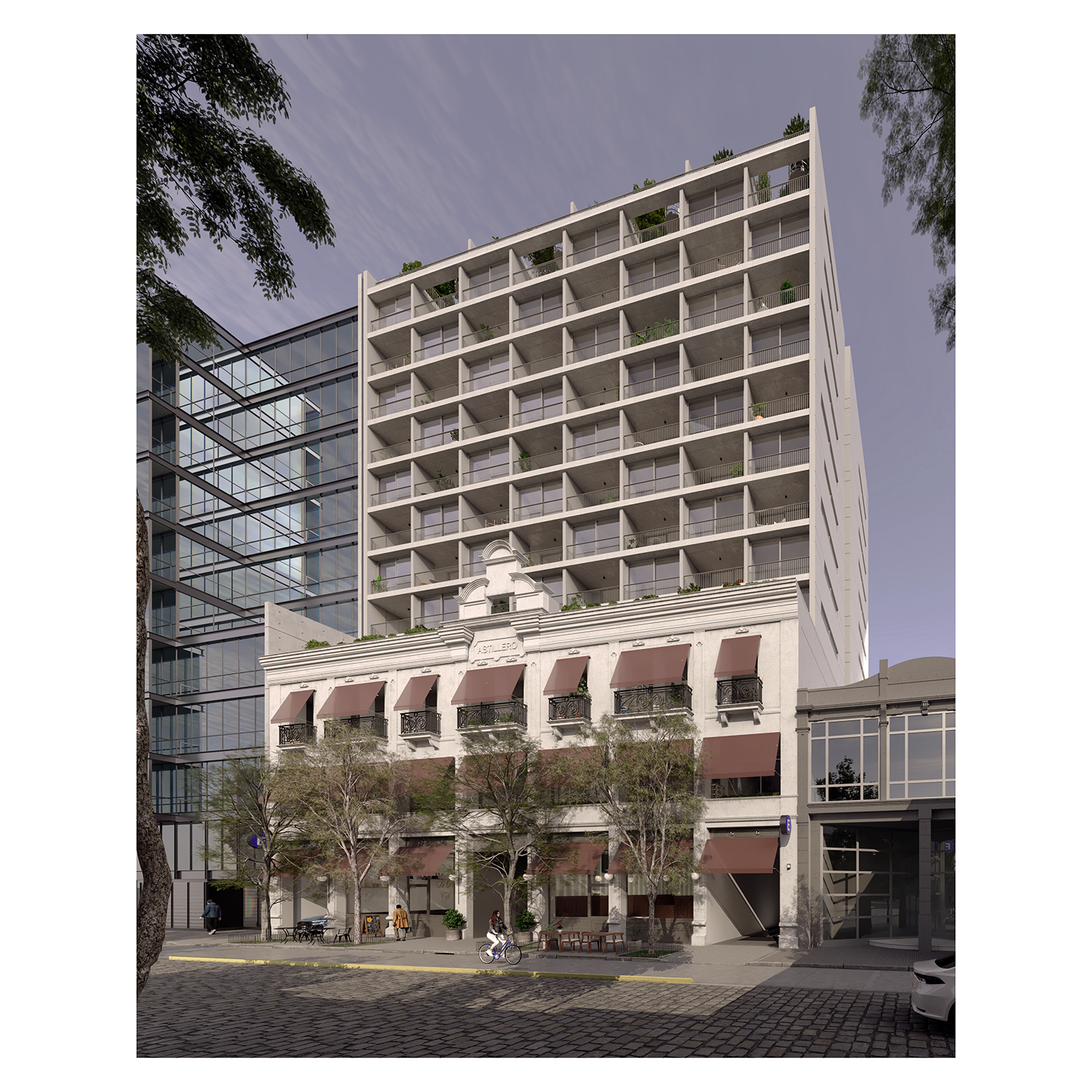
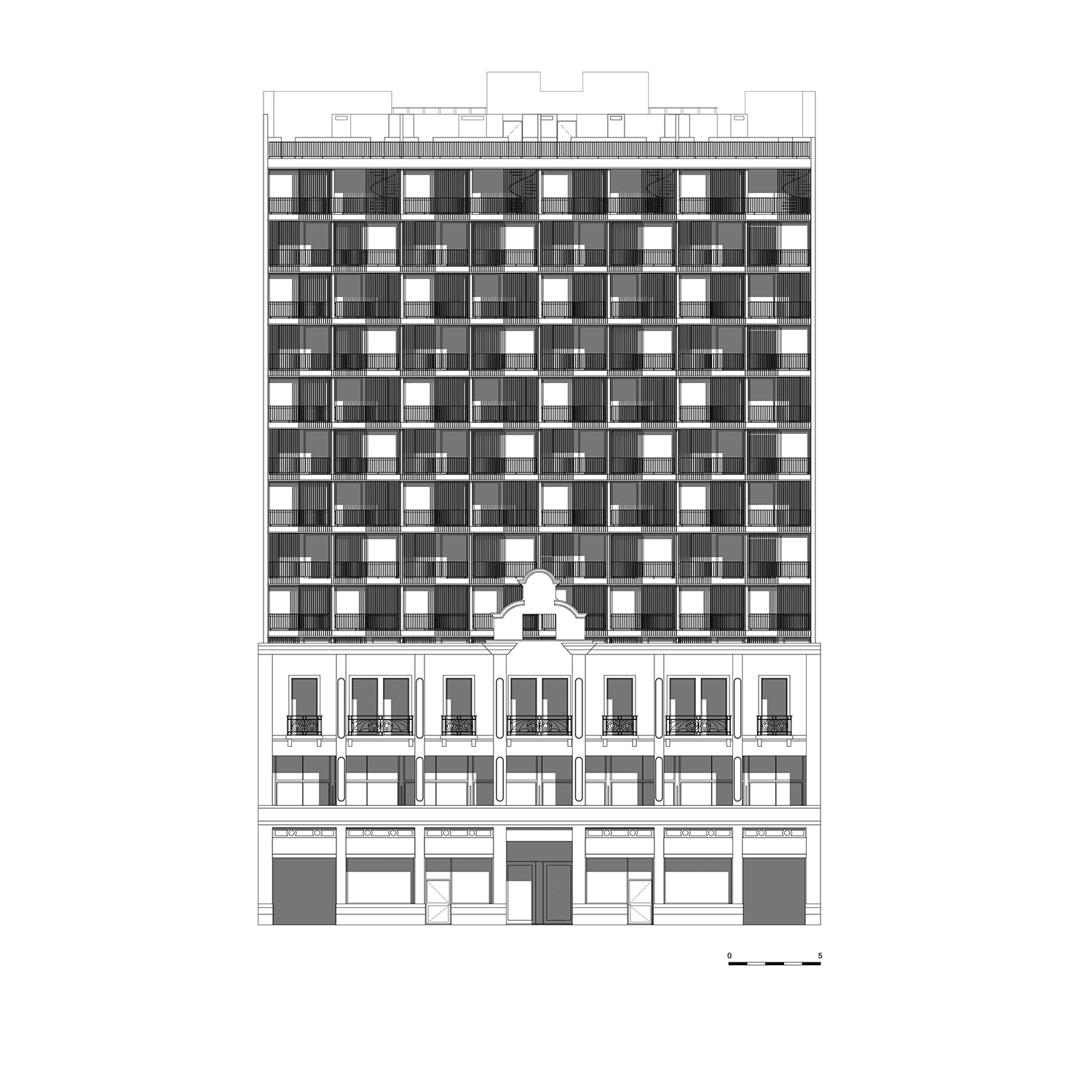
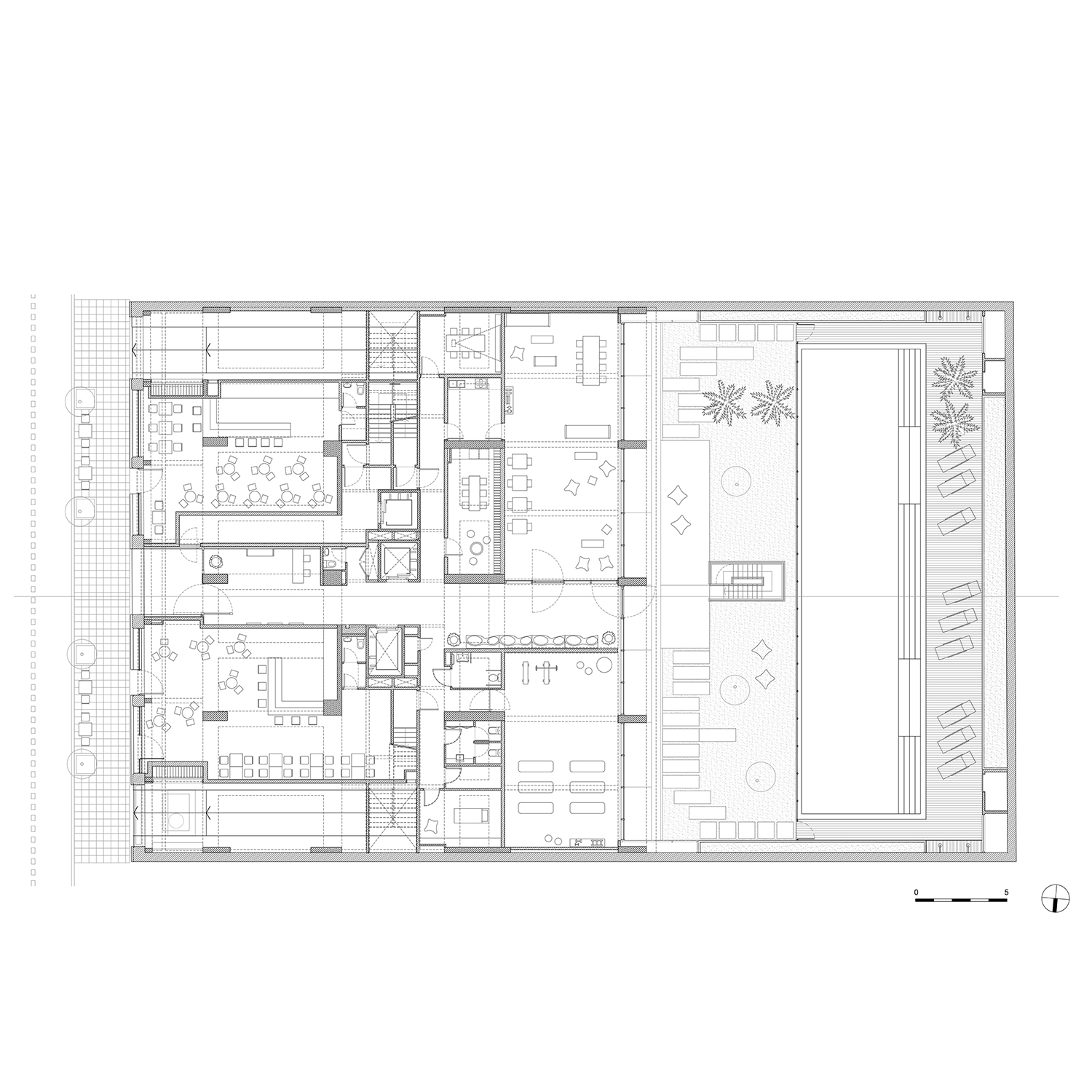
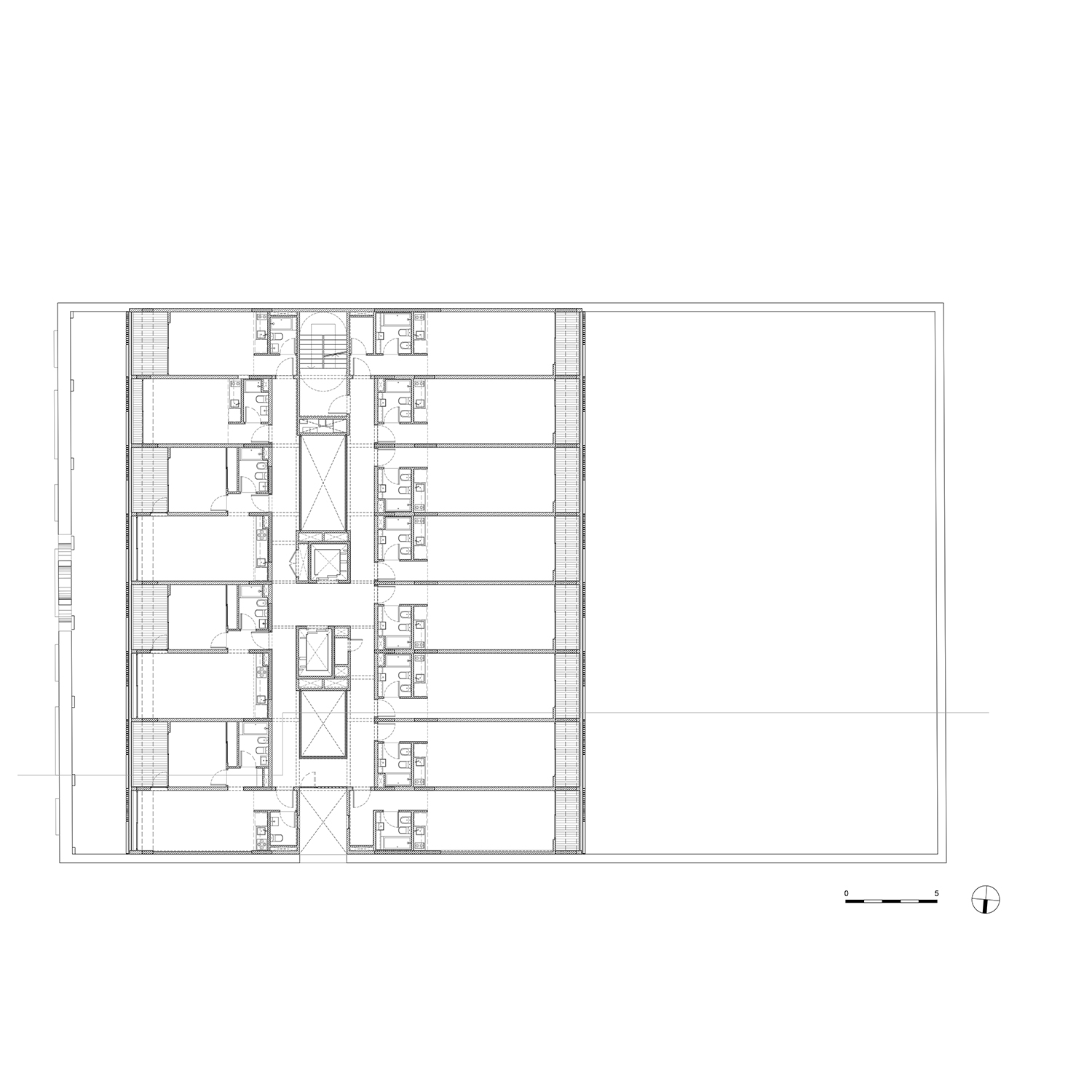
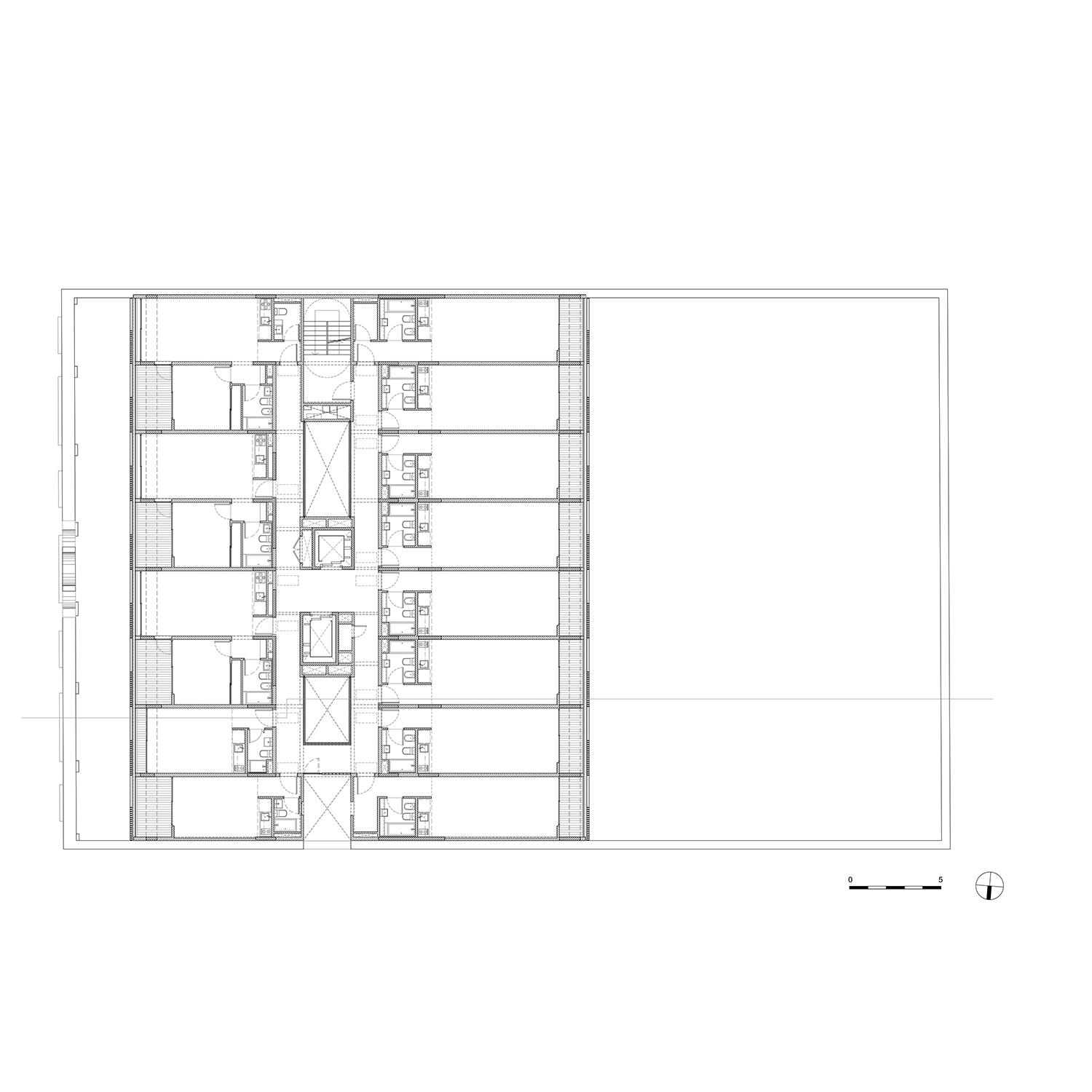
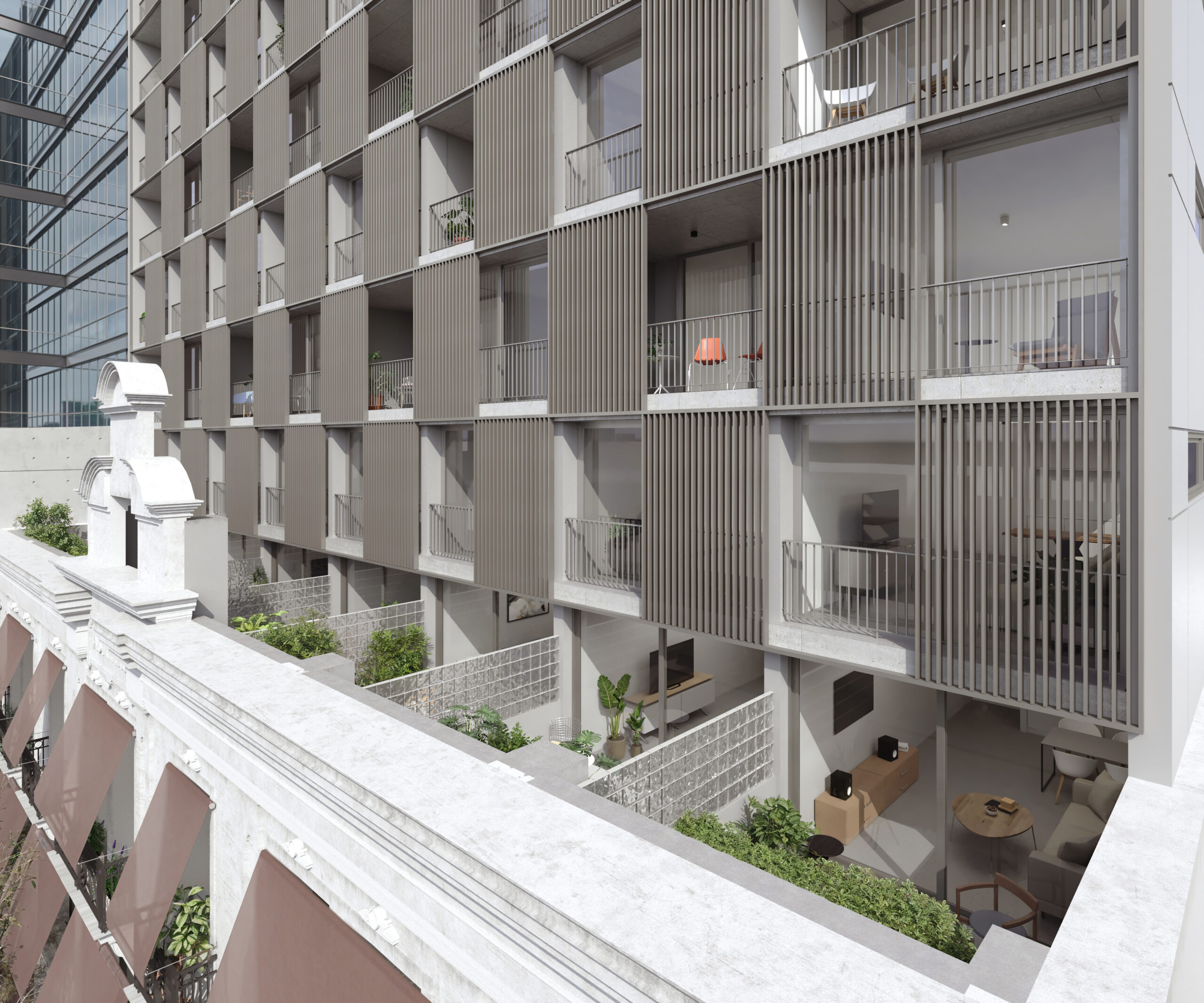
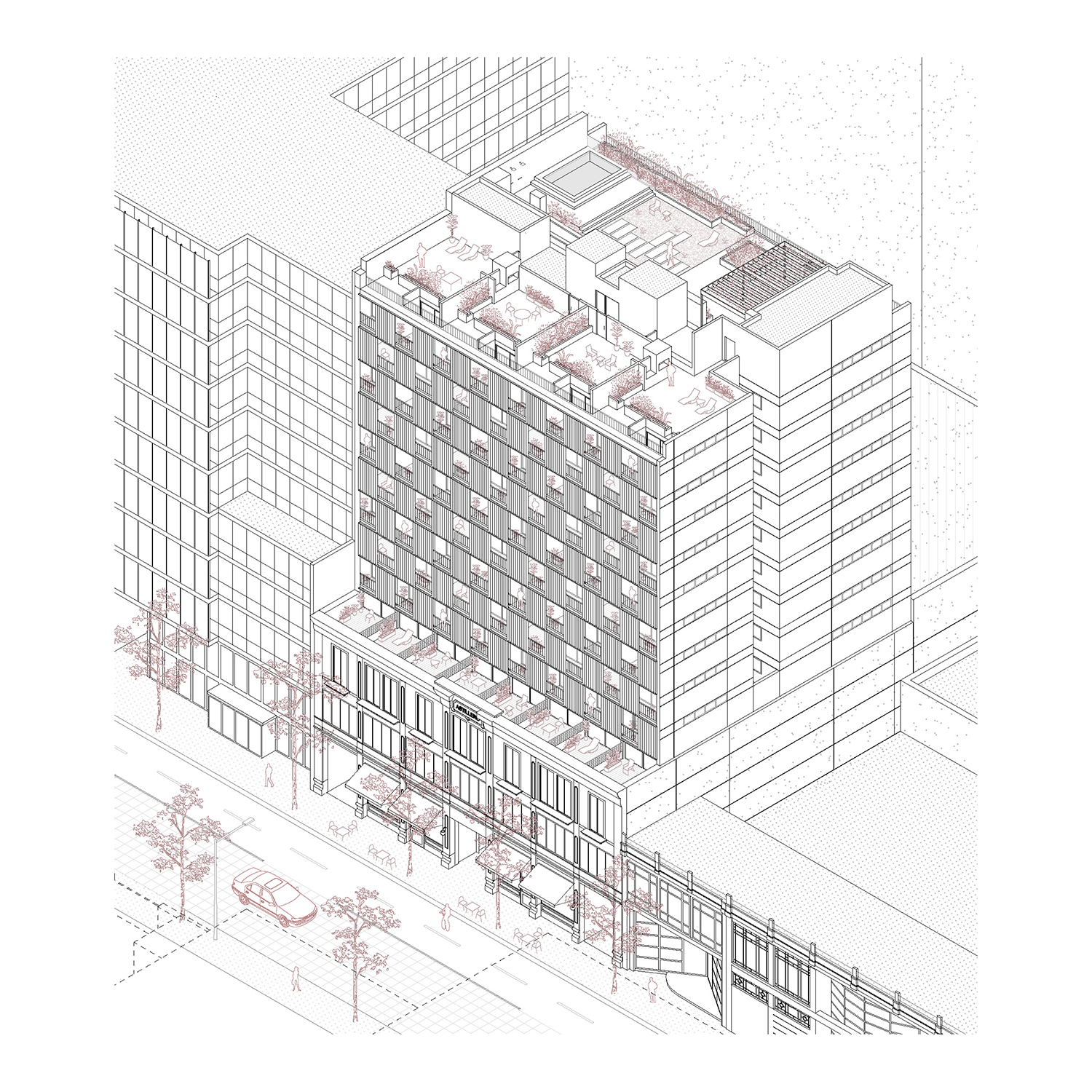
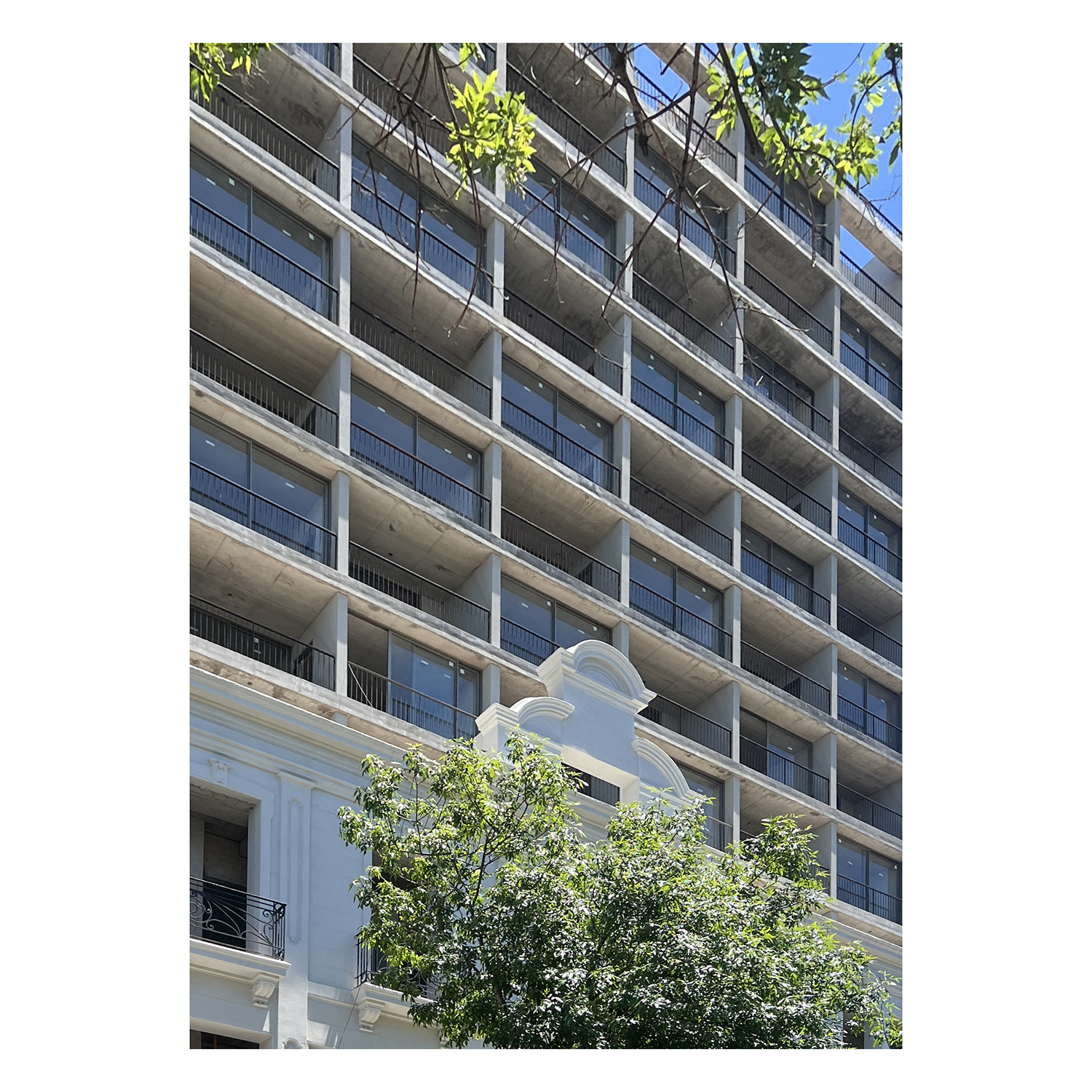
The Astillero Project develops a total built area of 14,320 m² on a 1,442 m² plot, with a 30-meter frontage and a depth of 48 meters, located at Azopardo 1337 in the Autonomous City of Buenos Aires. The intervention is implemented on a property dating back to the early 20th century, from which only the original façade is preserved, corresponding to a former shipyard historically linked to port activities along the Río de la Plata. Based on this condition, the architectural proposal establishes an operation of contrast and continuity between the preserved heritage structure and a new residential building, where the coexistence of the historical and the contemporary constitutes the project’s central premise.
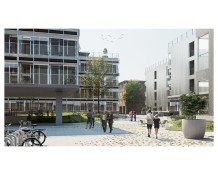
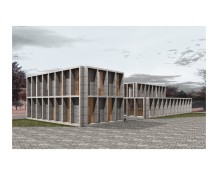
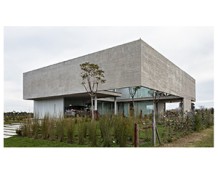
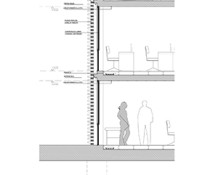
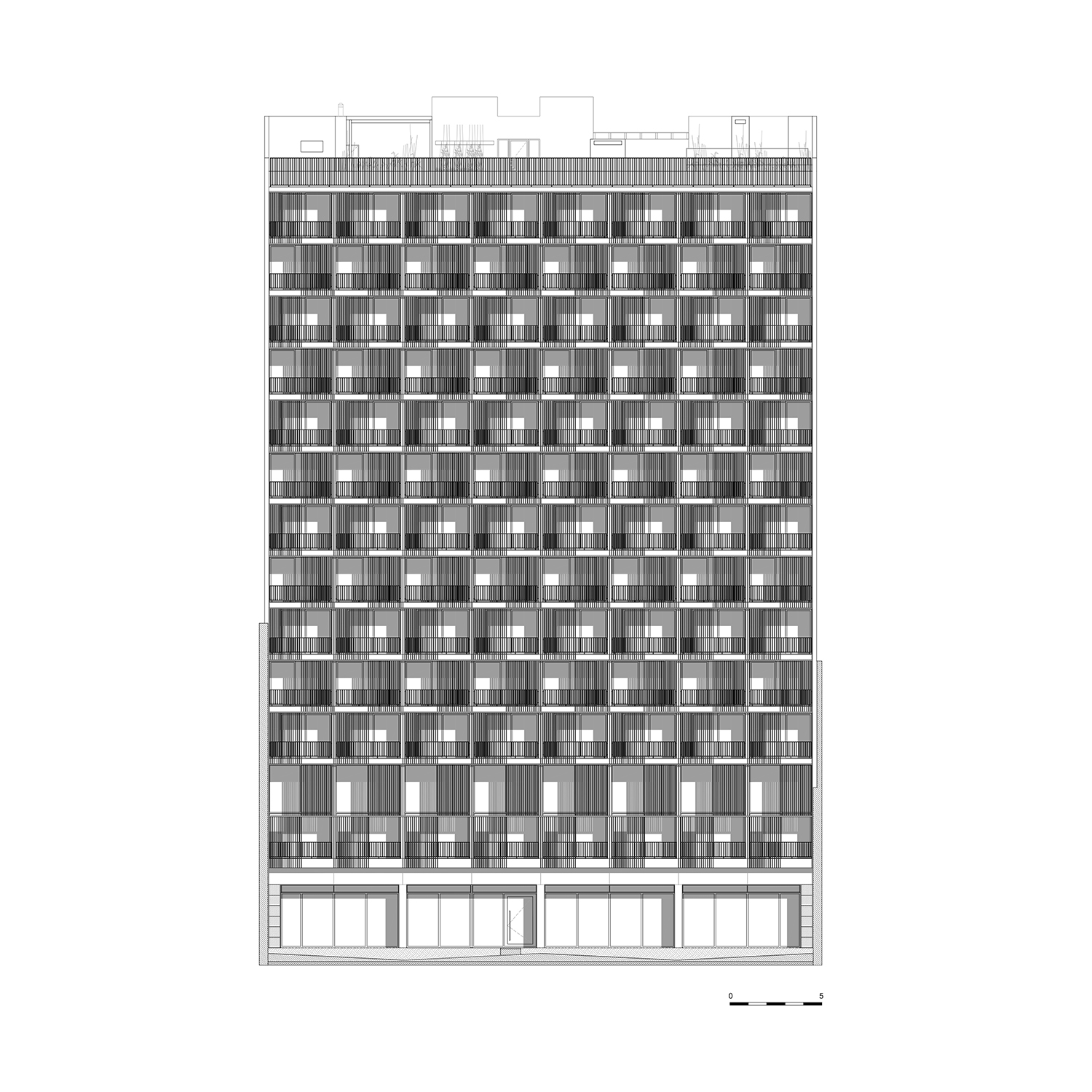
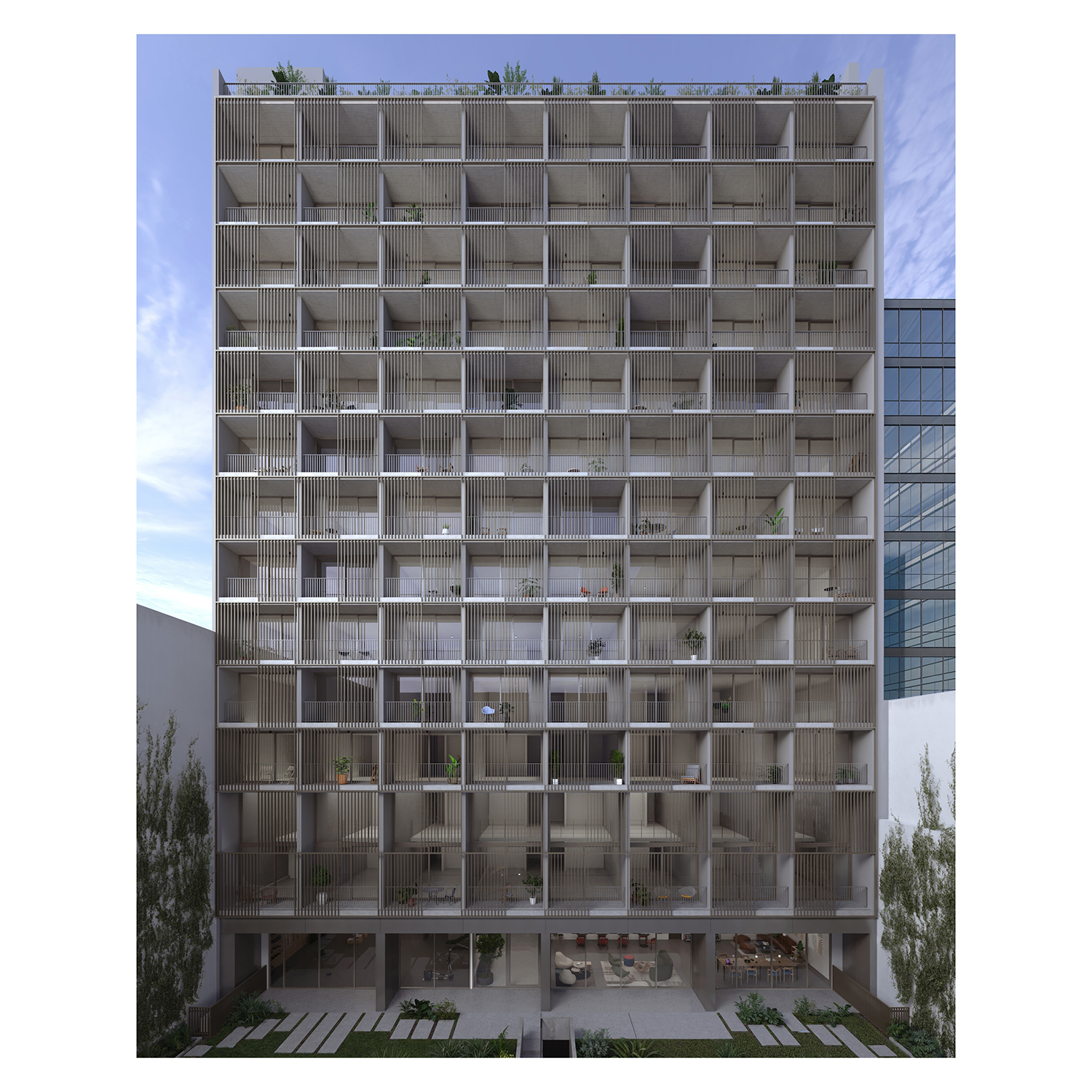
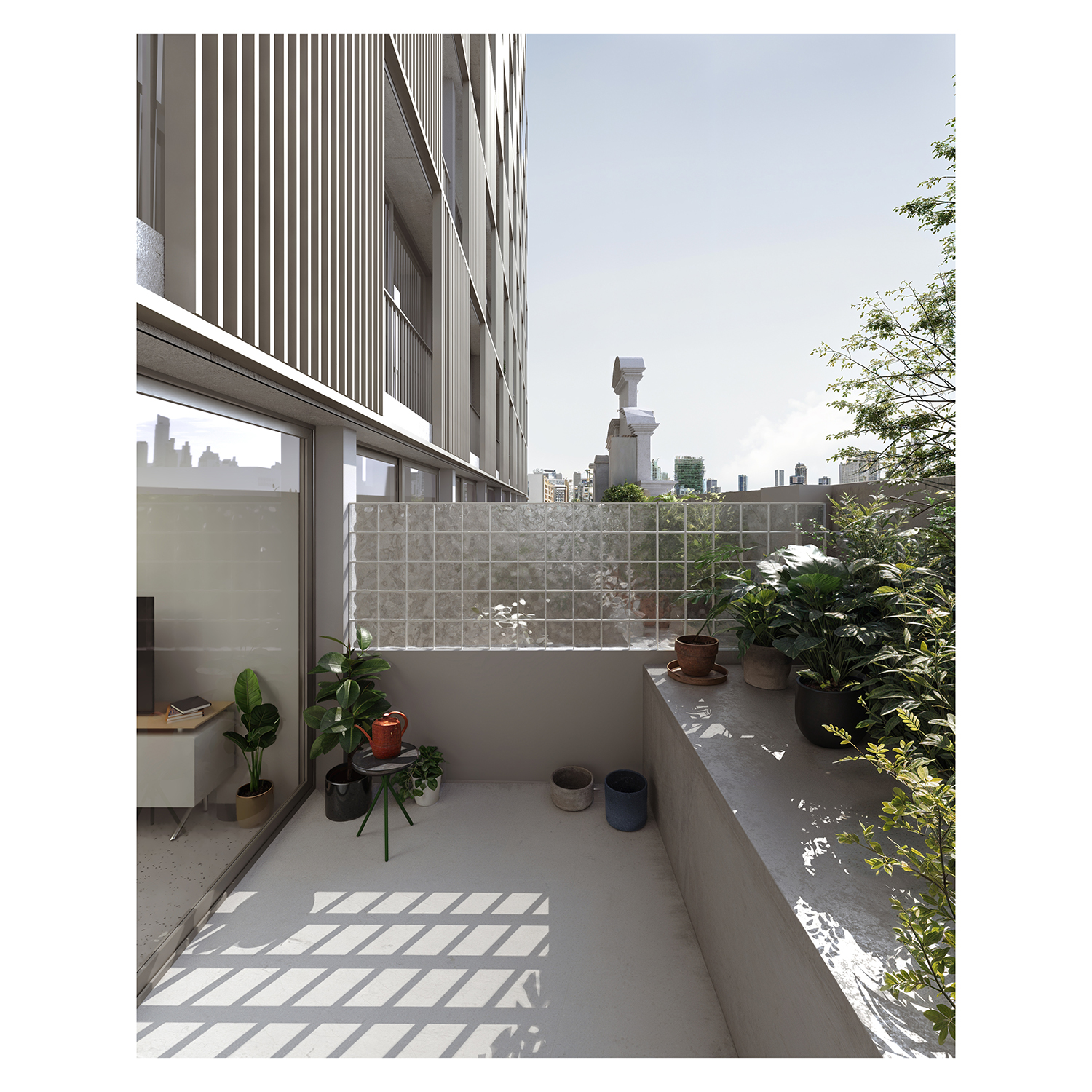
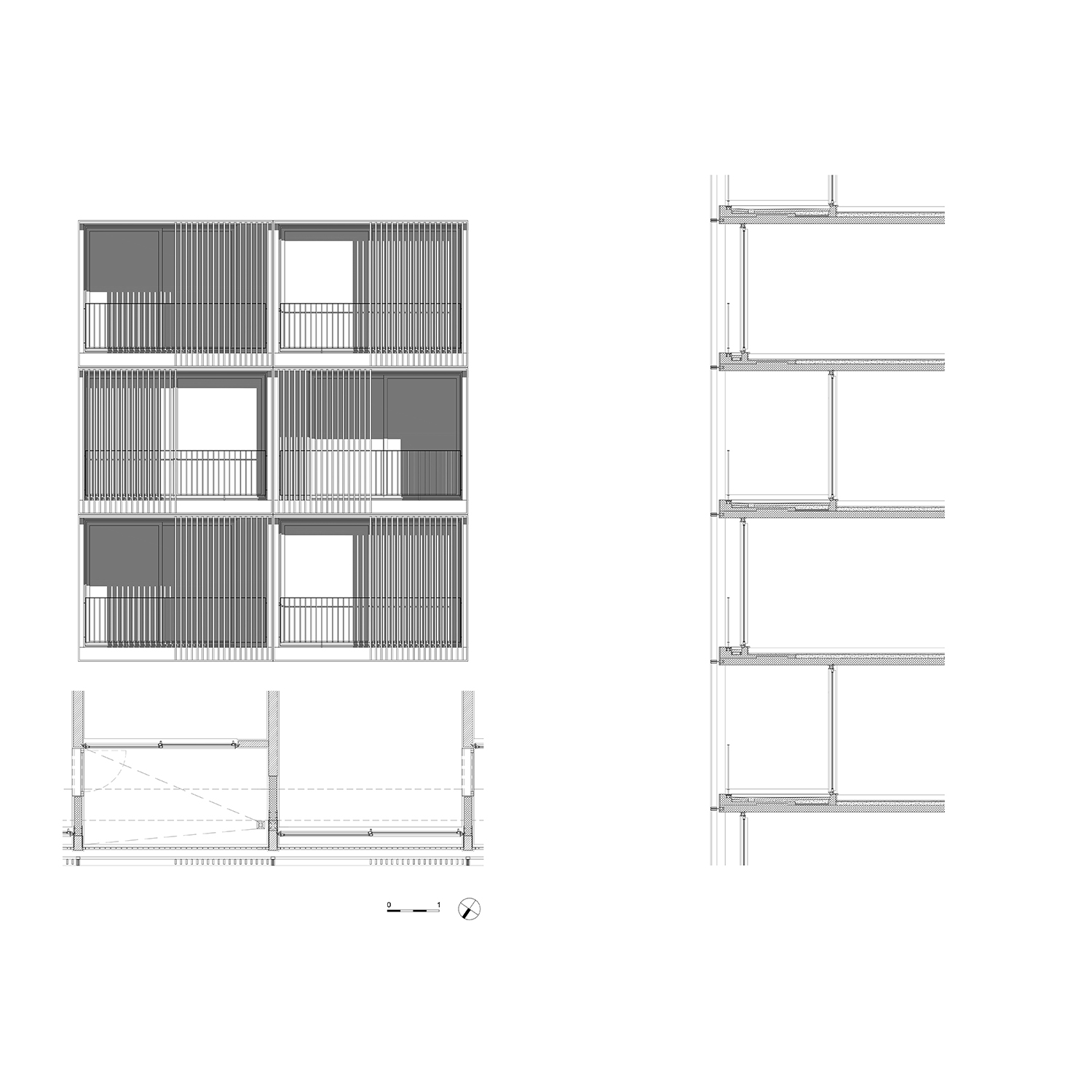
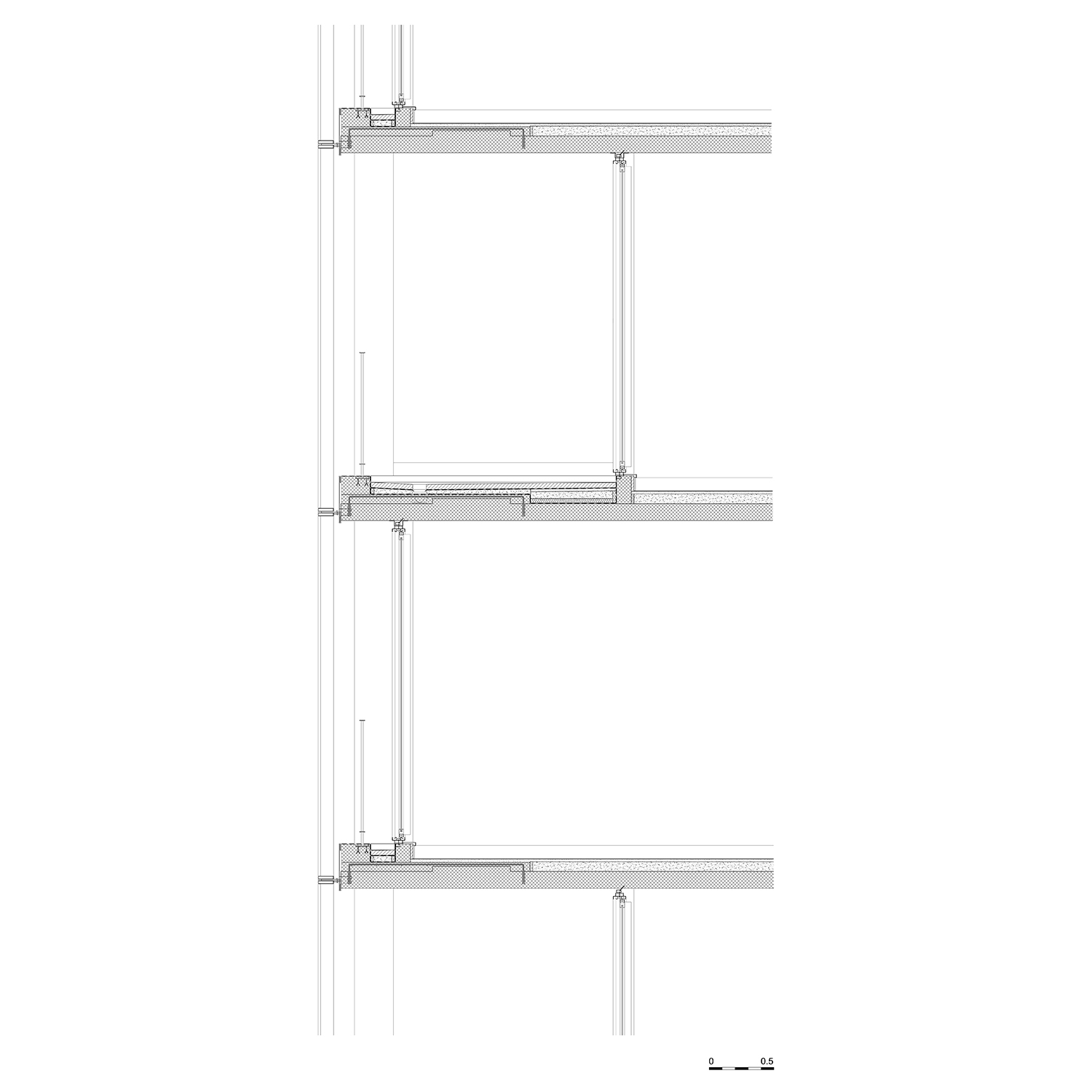
The historic façade is preserved as a significant urban element, while the new volume is expressed through a contemporary language associated with a synthetic and austere materiality, where exposed concrete and a glass envelope with vertical aluminum sunshades define the building’s architectural expression. This operation articulates the historical identity of the San Telmo neighborhood through a contemporary logic, positioning the project within a condition of urban transition between different scales, temporalities, and ways of inhabiting. The building’s location, between Juan de Garay Avenue and Cochabamba Street, places it within a strategic sector of the city’s southern corridor, with excellent connectivity and proximity to the Microcentro, San Telmo, and the waterfront.
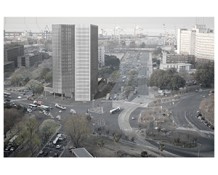
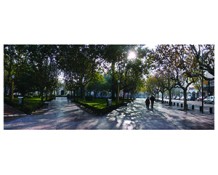
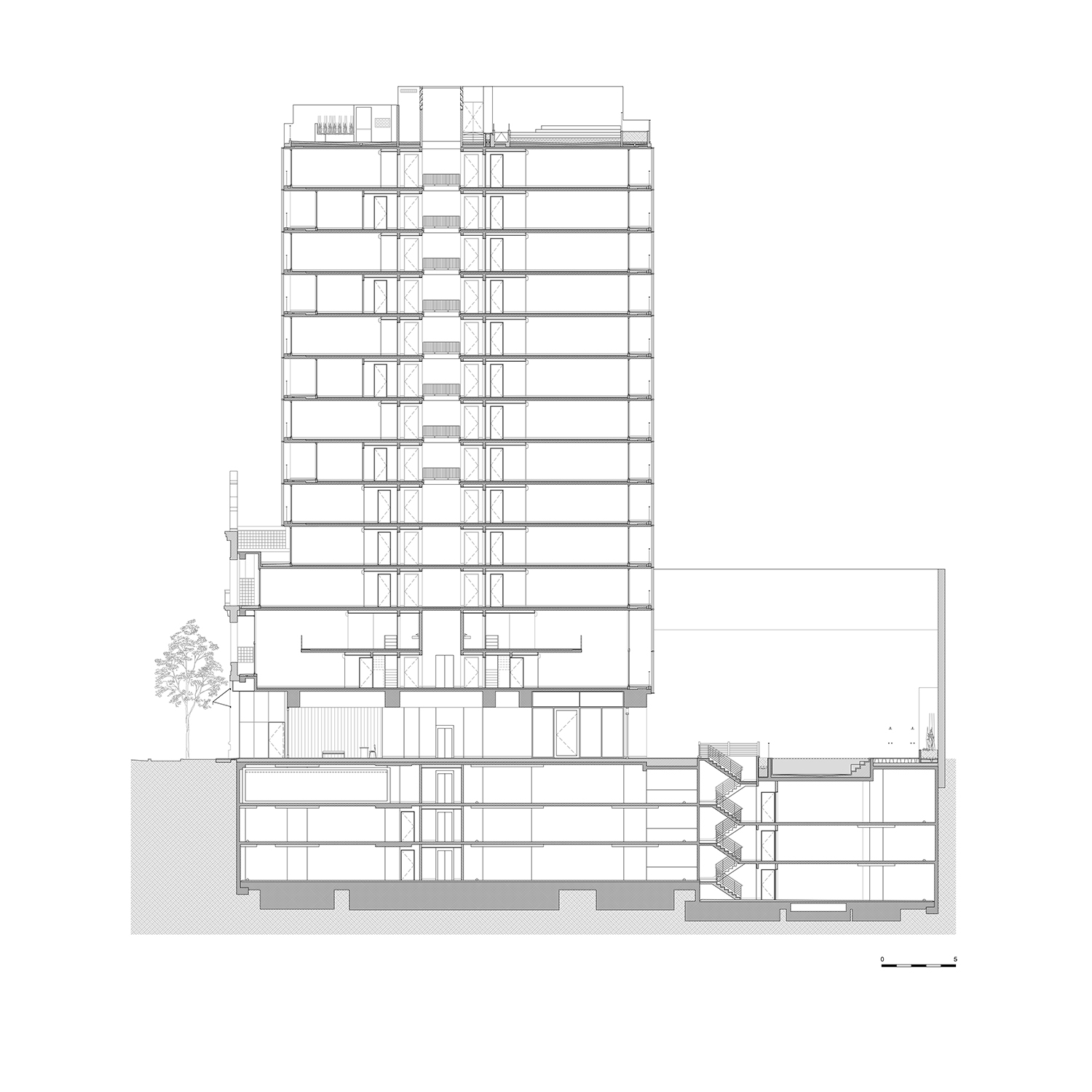
Azopardo Street retains its characteristic cobblestone pavement, contributing a strong urban identity to the immediate surroundings, while the proximity to Parque Lezama reinforces the project’s relationship with one of the most significant green spaces in the area, consolidating a context of high environmental quality and heritage value. The building is conceived as a mixed-use development. The basement level accommodates the required parking spaces, while the ground floor houses commercial premises, promoting the activation of public space and a direct relationship with the street.
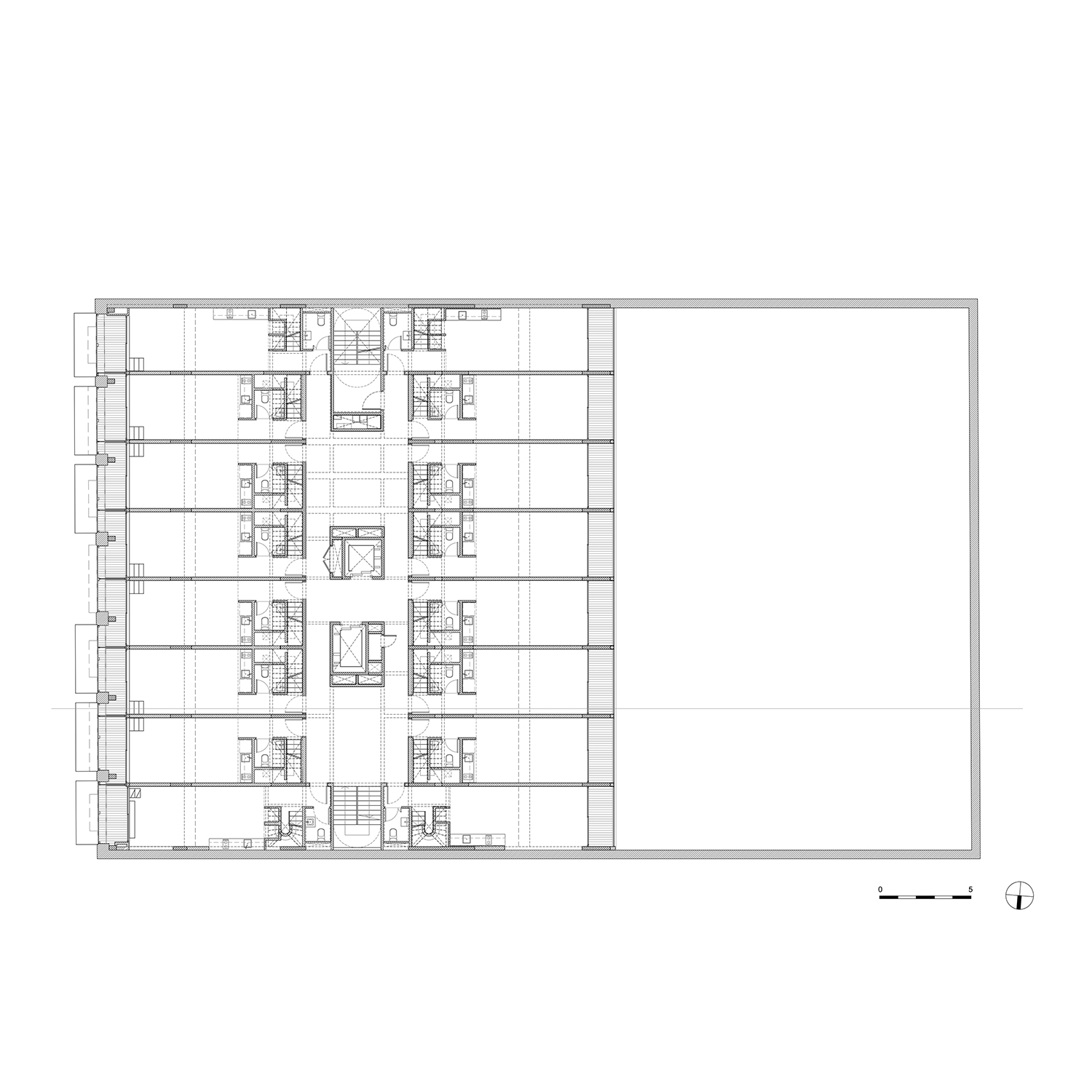
The upper levels contain professional-use residential units, responding to the diversity of uses and modes of occupation demanded by the area. The proposal is defined as an austere, simple, integral, and solid building, in which structural clarity, constructive logic, and material coherence constitute the project’s main attributes. The development includes a wide range of unit typologies, allowing flexibility of use and adaptation to different user profiles, with studios of up to 30 m², studio apartments ranging from 30 to 40 m², one-bedroom units between 55 and 60 m², and duplex units of up to 70 m².